
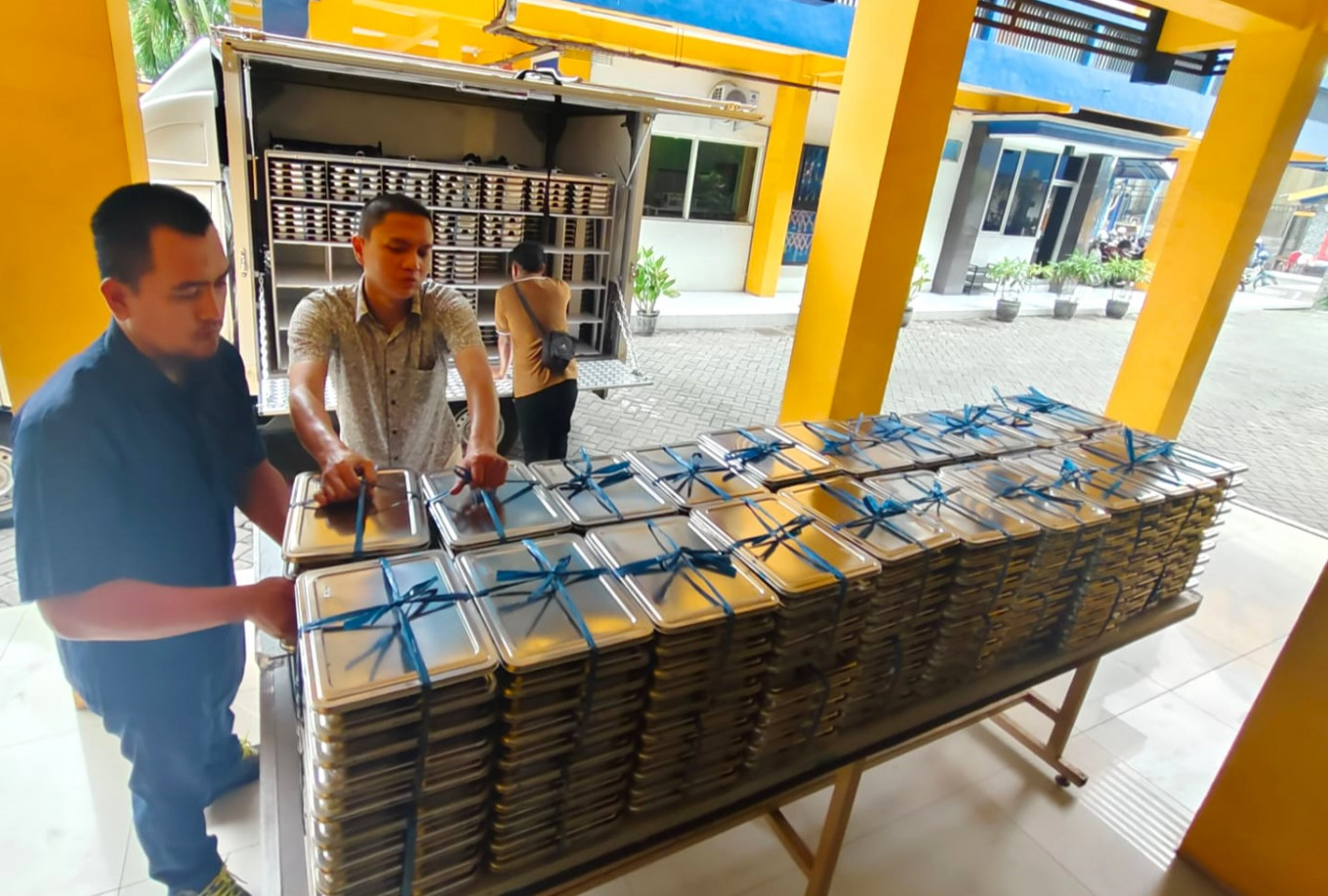
Free Nutritious Meals for Resilient Agrifood Systems
President Prabowo Subianto ’s free meals program (MBG) aims to serve more than 80 million Indonesian school children, children under five and pregnant and lactating mothers across Indonesia’s archipelago, becoming one of the largest school meal initiatives globally. This initiative might seem bold, however, the international community, which has had similar experiences, is encouraging Indonesia in this tremendous effort since a few countries across the globe also have successfully implemented a program of this fashion. For this reason, Indonesia supported the Group of 20 Global Alliance Against Hunger and Poverty, which has put the school meals program, whose concept is similar to Indonesia’s, as one of its six high-impact areas. On Jan. 16, Indonesia also joined the School Meals Coalition (SMC), a global initiative launched by France and Finland in 2021, bringing together over 100 governments including the United States, China, Brazil, Japan and a number of Western European countries, as well as neighboring countries with lower incomes than Indonesia, such as Timor-Leste and Cambodia. The coalition also includes over 130 partners, including the Food and Agriculture Organization (FAO), The International Fund for Agricultural Development (IFAD) and the World Food Programme (WFP). These organizations represent the holy trifecta of Rome-based Agencies (RBAs) to ensure every child gets a daily healthy, nutritious meal at school by 2030. Strategic alliances are needed to ensure Indonesia’s initiative to make the best use of available international good practices and align well with global goals. The FAO, with its “four betters” is one of the most important partners to ensure the benefits of the free meals program are well-reflected in achieving better agrifood systems, meaning the journey of our food from farm to table, in the following key four areas.